


Modern dental care has transformed dramatically through technological innovation, reshaping everything from diagnosis to treatment delivery. Digital tools enable practitioners to detect issues earlier, plan treatments with unprecedented precision, and provide more comfortable patient experiences than traditional methods ever could.
At Sonrisa Family Dental in Chicago, Dr. Jason Korkus and his team integrate the latest technological advances to deliver comprehensive dental care that combines precision with accessibility. Whether patients need preventative program services, restorative treatments, or surgical procedures, the practice leverages modern equipment to enhance outcomes while accepting most insurance plans, including PPO, Medicaid, and Medicare coverage.
Enhanced Diagnostic Accuracy Through Digital Imaging
Digital imaging systems have revolutionized how dental professionals identify and assess oral health conditions. Traditional X-rays often required multiple attempts and exposed patients to higher radiation levels, while modern digital radiography captures detailed images instantly with up to 90% less radiation exposure. These images appear immediately on chairside monitors, allowing practitioners to review findings with patients in real time.
Advanced diagnostic tools extend beyond basic imaging to include intraoral cameras and 3D cone beam computed tomography (CBCT) scans. Intraoral cameras magnify problem areas, revealing cracks, decay, and gum inflammation that might escape visual inspection during routine examinations. CBCT technology creates three-dimensional representations of teeth, bone structure, and surrounding tissues, proving particularly valuable for planning dental implant placements and evaluating complex oral surgery cases.
Precision Treatment Planning With Computer-Aided Design
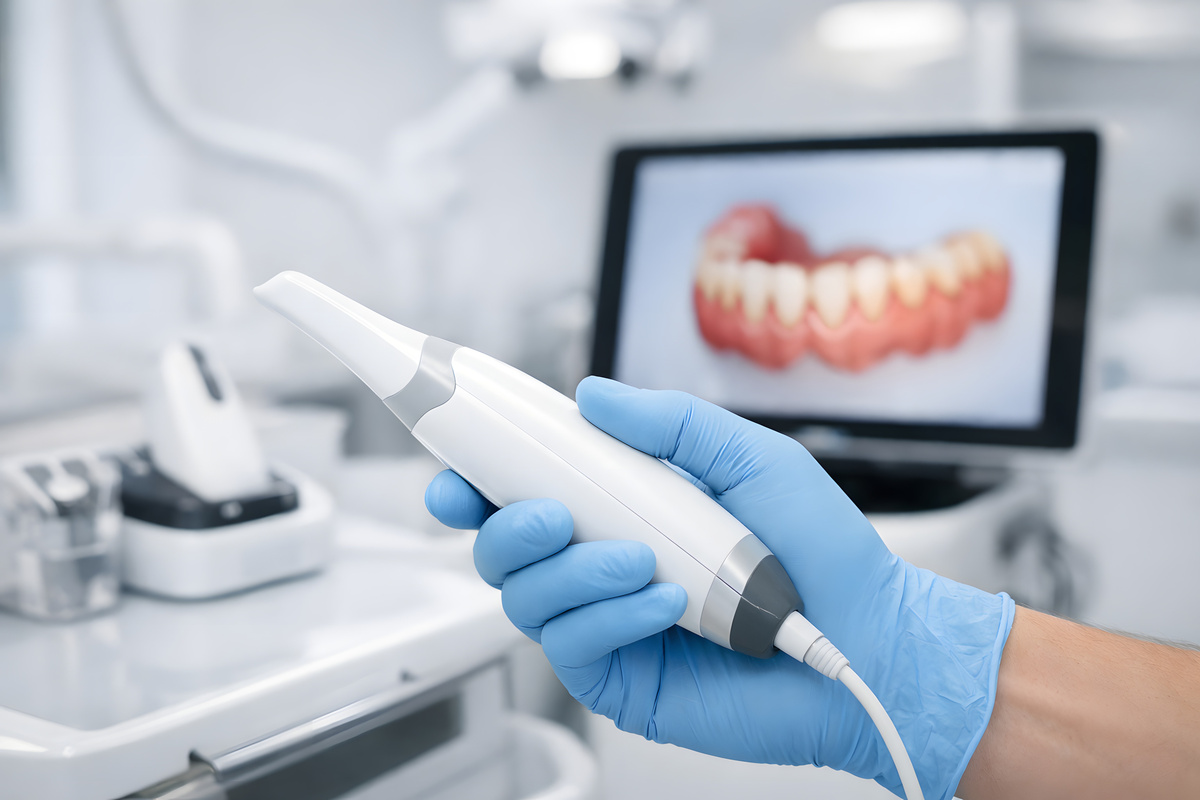
Computer-aided design and computer-aided manufacturing (CAD/CAM) systems bring unprecedented precision to restorative dentistry. These digital workflows eliminate traditional impression materials, which many patients find uncomfortable, replacing them with optical scanning technology that captures exact tooth measurements within seconds. The resulting digital models enable practitioners to design crowns and caps, veneers, and other restorations with mathematical accuracy.
The integration of CAD/CAM technology shortens treatment timelines significantly. Rather than sending impressions to external laboratories and waiting weeks for completed restorations, many procedures can now be completed in a single visit. This streamlined approach reduces patient appointments, minimizes temporary restoration needs, and accelerates the path to final treatment completion.
Artificial Intelligence in Diagnosis and Treatment
Artificial intelligence algorithms achieve impressive accuracy when detecting dental caries and periodontal disease from panoramic radiographs. These AI-powered systems analyze imaging data in real time, flagging potential problems that warrant closer examination and providing practitioners with a valuable second opinion during diagnostic reviews. Machine learning models can also predict orthodontic treatment outcomes, helping practitioners develop more reliable orthodontic treatment timelines.
Smart Technology Applications
Beyond diagnostics, AI applications extend to treatment planning, patient education, and administrative efficiency. Virtual assistants provide personalized postoperative care instructions, answer frequently asked questions, and offer tailored recommendations based on individual patient histories. Smart scheduling systems optimize appointment booking, reduce wait times, and improve overall practice workflow.
Laser Technology for Minimally Invasive Procedures
Dental lasers represent a significant advancement in minimally invasive treatment approaches. These precision instruments target specific tissues without affecting surrounding areas, reducing bleeding, swelling, and postoperative discomfort compared to traditional surgical methods. Laser applications include gum contouring, cavity preparation, teeth whitening, and soft tissue procedures that previously required scalpels and sutures.
The reduced trauma associated with laser treatments translates to faster healing times and decreased need for pain medication following procedures. Many patients who experience dental anxiety find laser procedures less intimidating than conventional approaches, as the technology operates silently and without the vibration associated with traditional drills.
Digital Workflows for Improved Patient Experience
The shift toward comprehensive digital workflows enhances both clinical outcomes and patient satisfaction throughout the treatment journey. Electronic health records enable seamless information sharing between providers, ensuring coordinated care when patients require specialist referrals or emergency services. Digital treatment planning software allows practitioners to show patients visual simulations of expected results before beginning procedures.
Teledentistry platforms have expanded access to care, particularly for patients with mobility limitations or those living in underserved areas. Virtual consultations enable preliminary assessments, follow-up monitoring, and educational sessions without requiring office visits.
Improved Material Science and Biocompatibility
Technological advancement extends beyond equipment to include the materials used in dental restorations and treatments. Modern dental fillings utilize composite resins that bond directly to tooth structure, preserving more natural tooth material than traditional amalgam alternatives. These tooth-colored materials also provide superior aesthetics, making restorations virtually invisible in the mouth.
Biocompatible materials have transformed implant dentistry, with titanium and zirconia options integrating seamlessly with bone tissue through osseointegration. Surface modifications at the nanoscale level enhance this integration process, improving long-term stability and success rates.
Ready to Experience Advanced Dental Care?
Technology continues advancing at a remarkable pace, with innovations emerging that promise even better outcomes for patients seeking comprehensive oral health care. From artificial intelligence diagnostics to minimally invasive laser procedures, these tools enable more accurate, comfortable, and efficient treatments than ever before. Sonrisa Family Dental combines the latest technological advancements with a commitment to accessible, affordable care for Chicago families.
Whether you need routine preventive services, cosmetic dentistry enhancements, or complex restorative treatments, the team provides comprehensive solutions tailored to your goals and budget. With most insurance plans accepted and flexible financing options through CareCredit and Sunbit available for qualifying patients, advanced dental care remains within reach. Schedule an appointment through the contact form to discover how modern technology can enhance your oral health journey.